
By Steve Heiting
Hope springs eternal in the mind of the fisherman. Every sunrise and every dip of a bobber brings anticipation the fish are biting. But too often they aren’t, or at least they’re not biting for us.
After three decades of organizing large group fishing outings, I have learned that someone will always find a way to catch fish no matter the conditions. I also know it’s much more fun to be that guy who figures things out rather than the one looking for an excuse. With that in mind, I offer here 10 reasons why the fish may not be biting, and ideas to turn things around and connect you and the fish.
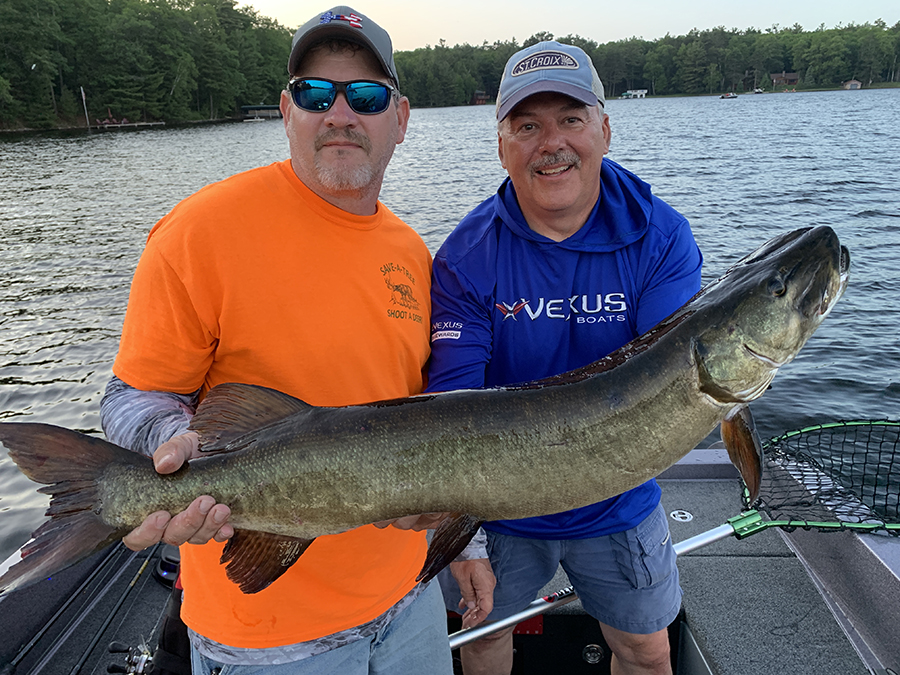
1. It’s too nice of a day — Beautiful, sunny skies with no humidity follow the passage of rain. These conditions are called “post-frontal” in fishing-speak. Fish typically feed ahead of a front but not so much afterward. Following a front’s passage, fish typically bury themselves in weeds or move deeper. They’re much less willing to chase a lure, so it’s important to get your bait or lure down to their level and retrieve more slowly. The best time to “get bit’ in such conditions is usually during a solunar period or just before dark.
2. It’s too sunny — Most fish, especially walleyes, like shade. You can “extend” the low sun angle of sunrise or sunset by fishing in the shade of tall trees or steep-breaking shorelines.
3. Your tackle is too heavy — Lightening your tackle, commonly called “downsizing,” often helps in post-frontal times. For example, a round bobber and eight-pound test monofilament may work for panfish when they’re aggressive, but when they’re not you will do better with two- or four-pound test monofilament and a thin balsa float.
4. Fish are eating something else — Walleyes are notorious for this, and can switch from biting on jig-tipped minnows to wanting only leeches almost overnight. Years ago, when I did a lot of night fishing for muskies, I would catch a couple dozen bonus walleyes along weed edges one season, and then get only one or two the next. The years with the good walleye bite coincided with years of heavy perch hatches, so walleyes would be concentrated in the weeds where I was fishing, feeding on perch. During years of a smaller perch hatch, the walleyes would be mainly eating ciscoes away from weeds. When mayfly hatches occur, fish of all species may move from the shallows to deep flats to gorge themselves on the emerging insects. Never forget that lakes are dynamic and fish focus on the most abundant prey.
5. You’re fishing where the fish aren’t — Fish change location quickly as spawning is completed, or when their preferred food changes. During spring, you may be able to catch walleyes from shallow shorelines for a few days but they will soon move to deeper weeds or submerged wood to feed. Large northern pike are notorious for moving. Once the water temperature reaches the high 60s, they’ll swim deeper to cooler water and won’t return until water temps drop in fall.
6. The water is too clear — When you can see fish swimming past your boat, they can also see you. Your boat and movement can quickly put them off the feed. If this is the case, you’ll need to resort to lightweight tackle and make long casts away from your boat, troll with planer boards to again take your lures away from the boat, or fish in low light conditions. One day I watched several big smallmouth bass ignore my leech-baited slip bobber rig. The bass wouldn’t bite until I removed the bobber and weight, and allowed the leech to swim freely on a small hook tied to four-pound test line.
7. You hate wind — Wind can make boat control a real challenge, but on the other hand tends to activate the food chain. Success often demands fishing in wind. On opening day a few years ago, a buddy and I caught walleyes non-stop from a small, wind-buffeted rock pile while watching other boats race back and forth across the lake in search of fish. It wasn’t easy because the wind gusted to 15 mph, but we put up with it and enjoyed a great day.
8. Your boat control stinks — Regardless of species sought, the best fishermen are masters of boat control. You’ll catch more if you keep your boat where you can place your lure in the fish’s zone — while not spooking them with the boat, anchors or trolling motor.
9. You’re fishing too fast or too slow — Retrieve speed matters. Aggressive fish are usually triggered by speed, but retrieving too fast will turn off neutral fish. I learned this on a fishing opener years ago during the advent of braided lines. I caught one walleye all morning while using a jig-and-minnow tied to braided line, while my partner caught a bunch with the same bait tied to monofilament. I switched to mono and soon matched him walleye for walleye. Though I had been dragging the jig along bottom just as he was that morning, the zero-stretch braid moved my jig too quickly for the walleyes’ liking.
10. Fish are biting during a different time of day — Fishing or boating pressure, an upcoming weather or solunar window, or evening, can cause fish to feed at different timesy. Fishing during early morning is how you can beat pressure from other anglers or boats, and evening is almost always a good time to be on the water. Midday can be good when the sun’s heat warms the water in spring or fall, but can produce poor fishing in summer.
If you feel like you’re doing everything right but aren’t catching fish, ask yourself if any of these 10 reasons are in play. If so, change things up until your string gets stretched.


